
Introduction
Planning interior changes often leads homeowners to consider how movement between floors will work. custom wood stairs & railings shape daily routines, and well planned custom wood stairs & railings can improve comfort and long term safety. Choosing custom wood stairs & railings requires understanding technical requirements before any drawings are approved. This article explains the core knowledge needed for homeowners and addition planners who want durable results without confusion.
Understanding the role of code compliance
Local building rules determine many aspects of stair construction. Code compliance covers tread depth, riser height, head clearance and guard dimensions. Homeowners should know that inspectors review custom wood stairs & railings in the same way they examine structural walls. Even when a design appears simple, failure to meet code compliance can require costly alterations after installation.
Municipal codes vary, yet most regions follow similar principles. Consistent riser measurements prevent tripping hazards. Adequate headroom protects tall occupants. Guard systems along open sides must resist specific loads. Designers of custom wood stairs & railings calculate these values during the drawing phase so that carpenters can follow clear instructions on site. For more information, visit Silvestri Construction’s official website
Selecting materials with attention to species
Oak and maple considerations
Material choice influences strength and appearance. Oak remains common for custom wood stairs & railings because the grain tolerates wear from shoes and furniture. Maple provides a smoother texture and lighter color. When homeowners compare materials oak maple species, they should think about hardness ratings, moisture stability and finishing methods.
Oak contains open pores that accept stains readily. Maple has tighter pores and can show blotching if finishes are not tested. Both materials oak maple options meet structural needs when properly milled. Craftsmen building custom wood stairs & railings examine each board for defects and match pieces for uniform movement across seasons.
Other components
Beyond species, materials include adhesives, fasteners and protective coatings. Handrails for custom wood stairs railings must be shaped from material that allows a secure grip. Balusters require straight stock with predictable flex. Homeowners who learn about materials oak maple and related parts can communicate better with designers.
Safety regs and technical measurements
Safety regs govern more than visual elements. National safety regs specify that handrails remain within reach along the entire run. Guards around landings must close gaps that could endanger children. For custom wood stairs & railings, designers verify that spacing between vertical members complies with safety regs before ordering material.
Lighting and surface texture also relate to safety regs. Slippery finishes create risk even when dimensions satisfy code compliance. Carpenters installing custom wood stairs railings often recommend test panels to evaluate traction. Homeowners should ask how safety regs affect finish selection and daily maintenance.
Exploring design options
Layout choices
Design options begin with overall form. Straight runs fit narrow additions, while turning configurations reduce walking distance. Open riser styles and closed riser styles represent additional design options. Each choice for custom wood stairs railings changes structural calculations and installation time.
Railing styles
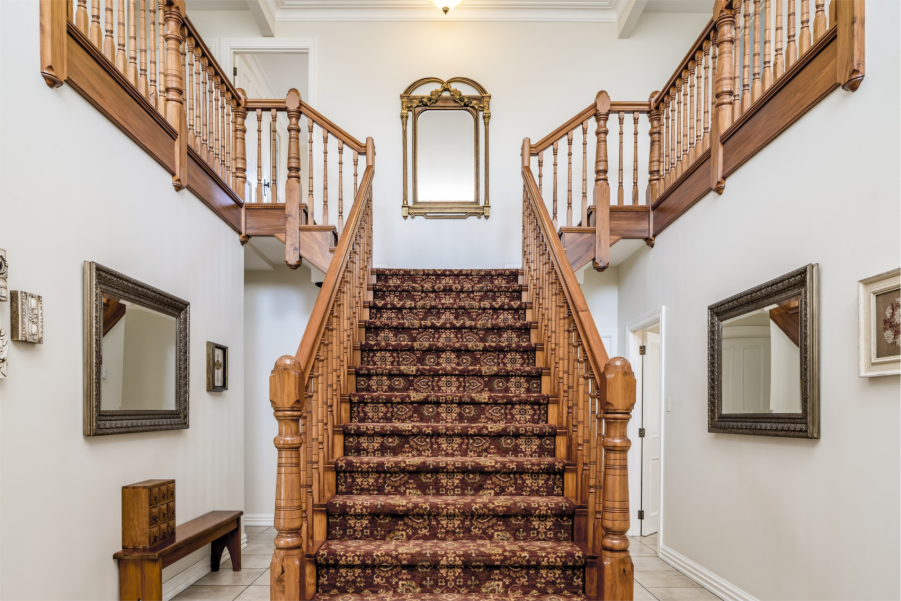
Design options for custom wood stairs & railings include traditional balusters, panel guards and mixed material combinations. Some homeowners prefer oak posts with maple rails to balance texture. Others choose continuous curves. Designers present design options through drawings so that families can review proportions without guessing.
Integration with home character
Additions planners consider how new stairs connect to existing architecture. Design options that ignore ceiling beams or window positions can appear awkward. Technical expertise helps align custom wood stairs & railings with floor framing and wall locations. Homeowners who study design options early avoid repeated revisions later.
Cost factors and budgeting
Cost for custom wood stairs railings depends on complexity, materials oak maple selection and regional labor rates. Homeowners should understand that budget planning includes millwork, structural preparation, finishing work and inspection fees. Code compliance reviews add time to the design process and influence cost.
Typical cost ranges show wide variation. Simple oak straight runs cost less than curved maple systems with elaborate posts. Installation time affects cost because longer projects require temporary access arrangements. Families planning custom wood stairs and railings should request itemized estimates that separate materials (oak, maple) from labor. For more details on services and pricing, visit Silvestri Construction Services
Installation time and project scheduling
Installation time for custom wood stairs & railings often surprises homeowners. Structural preparation may begin weeks before visible parts arrive. Craftsmen measure site conditions after drywall and flooring reach final thickness so that risers remain consistent for code compliance.
For many additions planners, installation time spans two to four weeks for standard layouts. Complex design options can double installation time. Weather and humidity alter finishing schedules. Homeowners should know how installation time interacts with safety regs inspections so that daily life experiences minimal disruption.
The importance of technical expertise
Carpenters with technical expertise evaluate load paths, seasonal movement and user habits. Building custom wood stairs & railings requires more knowledge than assembling furniture. Designers of custom wood stairs & railings translate safety regs and code compliance into details that homeowners can understand.
Technical expertise also guides maintenance planning. Oak and maple materials respond differently to cleaning products. Proper ventilation around stair openings prevents squeaks. Homeowners who value technical expertise receive accurate installation time estimates and fewer callbacks.
Common mistakes homeowners should avoid
- Ignoring code compliance during early sketches.
- Choosing materials oak maple species based only on color.
- Overlooking safety regs related to spacing.
- Underestimating installation time for custom wood stairs railings.
- Approving design options without full scale drawings.
Awareness of these issues helps homeowners and addition planners manage expectations realistically.
Maintenance considerations
Oak treads in custom wood stairs railings require periodic sealing to resist dirt. Maple rails benefit from gentle cleaners that preserve smooth texture. Safety regs remain relevant after construction because worn finishes can recreate hazards. Homeowners should learn how materials oak maple react to sunlight and moisture.
Working with designers and inspectors
Additions planners coordinate meetings between families, designers and inspectors. For custom wood stairs & railings, open communication ensures that code compliance interpretations remain consistent. Inspectors may request minor adjustments before issuing approval. Knowing how installation time fits inspection windows prevents rushed decisions.
Long term design value
Well executed custom wood stairs railings support property value and daily safety. Design options chosen with technical expertise age gracefully. Materials oak maple species selected for hardness reduce repair cost. Homeowners who understand these relationships make confident choices for additions.
Conclusion
Building thoughtful stairs inside an addition demands attention to technical measurements, material behavior, and safety regulations. Homeowners and addition planners who study custom wood stairs & railings early in the process can coordinate better with designers and inspectors. Understanding code compliance and comparing materials (oak, maple species) helps families make steady decisions about design options, cost expectations, and installation time. Careful planning supports daily movement between floors while reducing the chance of later corrections. Durable custom wood stairs and railings depend on accurate drawings, consistent workmanship, and regular maintenance after approval. Learn more about the company and its approach on Silvestri Construction About.
FAQ
1. Why is code compliance essential when planning custom wood stairs railings?
Code compliance ensures that tread depth, riser height, head clearance and guard strength follow established safety regs. Inspectors review custom wood stairs & railings to confirm these requirements before final approval.
2. How should homeowners compare materials oak maple for custom wood stairs & railings?
Materials oak maple species differ in hardness, grain structure and moisture stability. Oak often tolerates heavy wear, while maple provides smooth texture. Designers select materials oak maple according to structural needs and finishing results for custom wood stairs railings.
3. What safety regs have the greatest impact on custom wood stairs railings design?
Safety regs influence handrail continuity, guard height and spacing between vertical members. These safety regs are checked during the drawing phase so that custom wood stairs & railings perform safely for children and adults.
4. How do design options change the cost of custom wood stairs railings?
Turning layouts, curved rails and detailed posts require more labor hours and can increase waste from materials oak maple stock. Simple design options for custom wood stairs railings generally keep cost and installation time more predictable.
5. What installation time is typical for custom wood stairs & railings in an addition?
Standard layouts usually need several weeks including structural preparation, finishing work and code compliance inspections. Complex design options for custom wood stairs & railings may extend installation time beyond the usual schedule.