
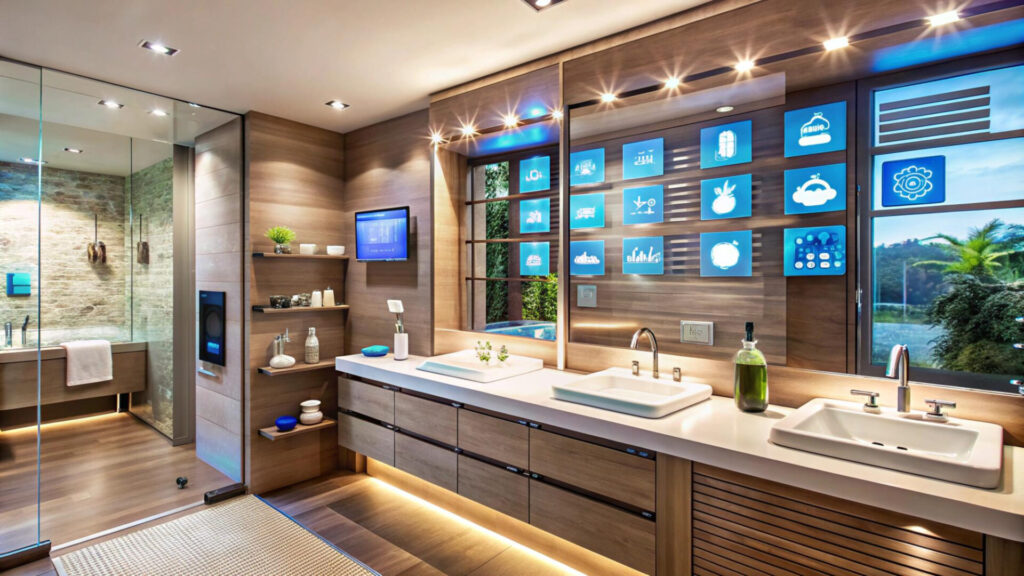
A well-designed home does more than provide shelter—it creates a space that nurtures your lifestyle, enhances comfort, and reflects your personality. Among the areas that hold the most potential for transformation are kitchens and bathrooms. A strategic home transformation can completely elevate these spaces, turning them into functional, stylish, and serene environments. By investing time and thought into designing kitchens and bathrooms, you improve both the daily experience of your home and its long-term value.
Kitchens and bathrooms serve as the cornerstone of any home. Kitchens are not just about cooking—they are social hubs where families gather, where guests are entertained, and where day-to-day life unfolds. Bathrooms, on the other hand, have evolved from purely utilitarian spaces into personal sanctuaries where comfort, style, and functionality meet. A home transformation in these spaces can profoundly affect your everyday life, making your home not only more beautiful but also more practical.
When planning a kitchen or bathroom upgrade, it’s crucial to balance aesthetics with practicality. Selecting durable materials, incorporating smart storage solutions, and optimizing layouts can ensure that your new space serves you well for years to come. For guidance on professional services that can bring these transformations to life, explore home renovation services.
Transforming Your Kitchen: The Heart of Your Home
The kitchen is often referred to as the heart of the home for good reason. A thoughtfully designed kitchen improves efficiency, enhances the cooking experience, and creates a welcoming atmosphere for family and friends.
Key Elements of a Kitchen Transformation
1. Layout Optimization
Choosing the right kitchen layout—whether it’s L-shaped, U-shaped, or an open-plan design—affects both functionality and comfort. An optimized layout reduces unnecessary movement, improves workflow, and makes the space feel more open and inviting.
2. Storage Solutions
Modern kitchens prioritize clever storage solutions. Pull-out shelves, corner carousels, and deep drawers maximize available space while keeping clutter hidden. Proper storage planning ensures that utensils, cookware, and ingredients are always accessible without compromising the kitchen’s aesthetic.
3. Material Selection
Selecting materials is a critical component of any kitchen transformation. Quartz and granite countertops offer durability and elegance, while high-quality cabinetry materials ensure longevity and minimal maintenance. Flooring options like hardwood, tile, or vinyl provide both style and practicality.
4. Lighting Design
Well-planned lighting enhances functionality and ambiance. Combining task lighting above work areas with ambient and accent lighting creates a balanced and inviting space. Pendant lights over an island or under-cabinet lighting can dramatically change the kitchen’s feel.
5. Modern Appliances
Energy-efficient and high-performing appliances not only improve functionality but also reduce environmental impact and energy costs. Built-in appliances help maintain a clean, streamlined look.
A successful kitchen transformation harmonizes aesthetics with practicality. By carefully selecting elements and layouts, you can create a space that is not only visually appealing but also highly functional for your daily routines. For more inspiration and ideas on kitchen remodeling, you can visit professional construction solutions.
Elevating Bathrooms: Personal Retreats in Your Home
Bathrooms have evolved into spaces for relaxation and rejuvenation. A thoughtful home transformation can turn a bathroom into a personal sanctuary that combines luxury, functionality, and style.
Key Elements of a Bathroom Transformation
1. Space Planning
Efficient use of space is critical, particularly in smaller bathrooms. Maximizing storage, strategically placing fixtures, and maintaining open areas for movement can make even compact bathrooms feel spacious and inviting.
2. Fixtures and Fittings
High-quality faucets, showers, and sinks enhance both the look and usability of the bathroom. Modern fixtures with water-saving features are practical and environmentally conscious.
3. Tiling and Surfaces
Tiles are not only functional but also a major design element. From patterned floors to sleek wall tiles, the right combination can set the tone for the entire space. Consider durable and easy-to-clean surfaces to maintain beauty with minimal effort.
4. Lighting and Mirrors
Bathrooms require layered lighting to serve multiple purposes. Vanity lights, ceiling lights, and accent lighting work together to ensure proper illumination for grooming, relaxation, and ambiance. Mirrors can make a space feel larger and more luxurious while serving a practical function.
5. Storage Solutions
Cabinets, vanities, and shelves help keep the bathroom organized and clutter-free. Integrated storage ensures a clean, minimalist look while maintaining functionality.
Pro Tip: Incorporating natural elements such as plants, wooden accents, or stone textures can add warmth and calm to your bathroom, enhancing the sense of a personal retreat.
Kitchen vs. Bathroom: A Comparative Table for Home Transformation
Feature | Kitchen | Bathroom |
Primary Purpose | Cooking, socializing | Hygiene, relaxation |
Key Design Focus | Layout, storage, appliances | Fixtures, surfaces, lighting |
Material Considerations | Countertops, cabinets, flooring | Tiles, vanities, waterproof surfaces |
Lighting | Task, ambient, accent | Ambient, task, accent |
Modern Enhancements | Smart appliances, islands | Spa features, rain showers |
Storage Solutions | Pull-out shelves, drawers | Cabinets, vanity storage |
This table highlights the different yet complementary approaches required for kitchens and bathrooms during a home transformation. Each space demands unique solutions, but the underlying goal is the same: creating a functional, aesthetically pleasing environment that elevates daily living.
Practical Tips for a Successful Home Transformation
1. Plan Ahead
Before starting a project, outline your goals, budget, and timeline. Knowing what you want helps prevent unnecessary delays and expenses.
2. Balance Style and Function
While design is important, functionality should not be compromised. Consider how each element contributes to usability.
3. Incorporate Energy Efficiency
From LED lighting to water-saving faucets, energy-efficient choices improve sustainability and reduce long-term costs.
4. Hire Professionals When Needed
Skilled designers and contractors ensure your transformation is done efficiently and to a high standard. They handle technical tasks, prevent mistakes, and make the renovation process smoother and less stressful.
5. Invest in Timeless Design
Trends come and go, but timeless materials and designs will maintain their appeal and increase your home’s value over time.
Conclusion
A thoughtfully executed home transformation can significantly enhance both the functionality and aesthetic appeal of your living spaces. Focusing on kitchens and bathrooms—the areas where design meets daily life—allows you to create environments that are practical, comfortable, and visually appealing. By selecting durable materials, optimizing layouts, and incorporating smart storage and lighting solutions, you can elevate your home to reflect your lifestyle while adding long-term value. For personalized guidance or to begin planning your next home renovation, you can get in touch with renovation experts who can help bring your vision to life.
Frequently Asked Questions
1. What is the average cost of a kitchen or bathroom transformation?
The cost varies based on size, materials, and complexity. Kitchens typically require a higher investment due to appliances and cabinetry, while bathrooms can be upgraded at different budget levels depending on the fixtures and finishes chosen.
2. How long does a typical home transformation take?
A minor remodel may take a few weeks, while a full kitchen or bathroom renovation can last several months. Planning and working with professional contractors ensures the project stays on schedule.
3. Can I transform my kitchen or bathroom without major construction?
Yes. Updating fixtures, adding smart storage, replacing countertops, or repainting can significantly enhance your space without a full-scale renovation.
4. How do I choose materials that are both stylish and durable?
Opt for materials known for longevity, easy maintenance, and resistance to moisture. Consulting with design experts can help balance aesthetics and durability.
5. Are there ways to make small spaces feel larger during a transformation?
Using lighter colors, mirrors, efficient storage, and strategic lighting can create the illusion of space. Open layouts and minimalistic designs also contribute to a more spacious feel.