
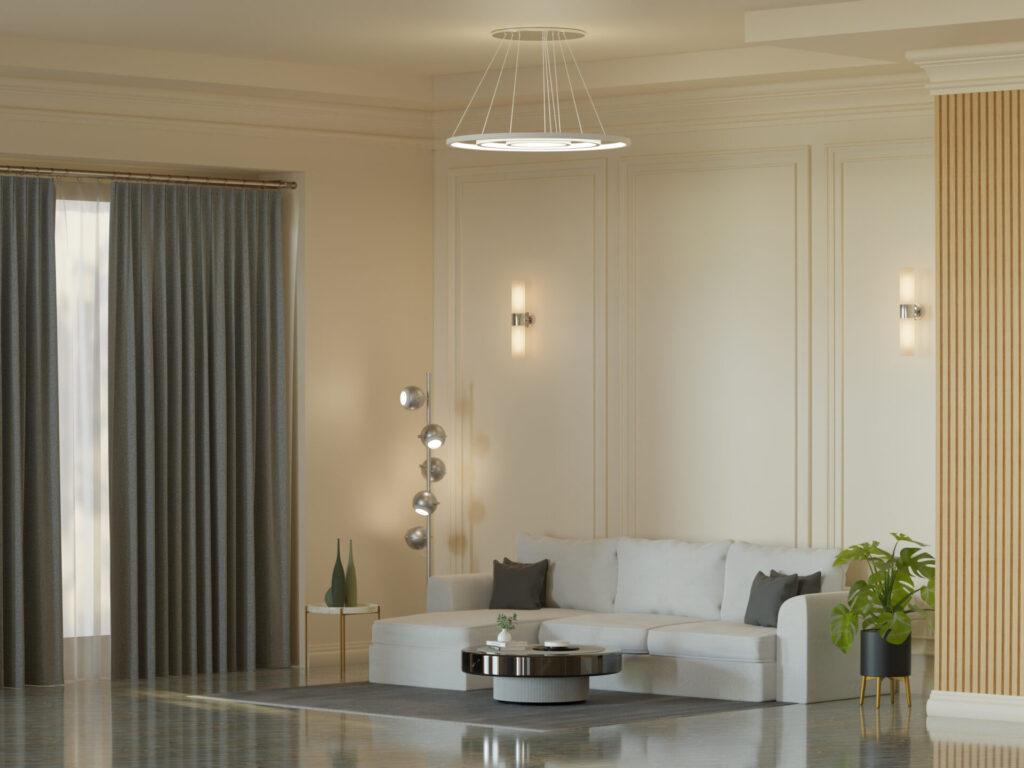
When homeowners think of major improvements, they often consider new flooring, fresh paint, or updated cabinetry. Yet one of the most impactful upgrades is often overlooked. Custom trim and moldings may seem like small details, but they play a powerful role in shaping the character of a home.
The benefits of custom trim molding extend beyond decoration. It provides continuity of style, boosts property value, and delivers a sense of craftsmanship that prefabricated options rarely match. Whether you live in a historic property or a modern build, trim details can transform simple rooms into polished, cohesive spaces.
Those exploring carpentry solutions for interiors can look to skilled finish carpentry professionals who bring the right balance of precision and design insight to each project.
The Case for Custom Trim and Moldings
Trim and moldings frame a home’s interior the same way a picture frame enhances artwork. They are not merely decorative but establish proportion, define architectural elements, and create seamless transitions between surfaces.
Custom work differs significantly from prefabricated materials. Prefab trim is mass-produced, comes in limited styles, and is designed for convenience rather than individuality. Custom trim, on the other hand, is designed to complement the specific proportions, layout, and aesthetic of each home.
Homeowners who invest in custom trim molding benefit gain long-term rewards such as durability, a unique look, and a finish that ties the entire home together.
Exploring Wood Trim Types
The material chosen for trim sets the tone for the project. Wood trim types vary in both function and character.
Pine offers affordability and a soft grain that accepts paint well.
Oak provides strength, durability, and rich texture, making it a common choice for classic homes.
Maple has a smooth finish that suits modern designs with clean lines.
Walnut delivers a darker, elegant appearance ideal for formal interiors.
Poplar is versatile, lightweight, and an excellent option for detailed moldings.
Selecting the right wood trim type ensures that the finished product aligns with both the design theme and the practical requirements of the space.
Cost vs Prefab
One of the first questions homeowners ask is whether custom trim is worth the cost compared to prefabricated alternatives. While prefab materials are cheaper upfront, they often come with limitations.
Prefab trim lacks flexibility in sizing, which can create gaps or uneven finishes during installation. It also tends to wear down more quickly, requiring replacement sooner. Custom trim is designed for the exact specifications of a home, ensuring precision and longevity.
Although the initial investment is higher, custom trim saves costs over time by reducing replacements and repairs. This makes the balance of cost vs prefab tilt in favour of custom for homeowners who value craftsmanship and long-term quality.
Those weighing their choices can find detailed support through dedicated interior carpentry services that explain cost breakdowns, material options, and long-term value.
Style Continuity Across the Home
One of the standout custom trim molding benefits is style continuity. In homes where prefabricated trim is used, each room may feel slightly disconnected because materials and proportions are generic.
Custom trim ensures every doorway, window, and baseboard follows the same design language. This creates a unified aesthetic throughout the home, whether it is a craftsman, colonial, or contemporary style.
Style continuity also allows homeowners to highlight architectural features. Arched entryways, tall ceilings, or large windows gain emphasis when trim is proportioned and styled correctly.
The result is a home that feels intentional, balanced, and harmonious from one space to the next.
Increasing Home Value
Trim and moldings have a measurable impact on property value. Appraisers and potential buyers often notice the finer details of a home, and quality finish carpentry communicates care and craftsmanship.
Custom trim adds perceived value because it is not standard. It shows that the homeowner invested in details that set the property apart. High-end materials and precise workmanship can make even modest rooms feel elevated.
Real estate experts often note that buyers are willing to pay more for homes that display thoughtful interior finishes. This makes custom trim not just a design decision but a financial strategy for increasing home value.
Installation Timeline
Another factor homeowners consider is the installation timeline. Prefab trim is faster to install because it is made to standard sizes. However, it often requires modifications on-site, which can lead to delays.
Custom trim installation involves a more detailed process, beginning with design, followed by millwork production, and finally, careful fitting within the home. While this takes longer, the result is precise and lasting.
Most projects can be completed in a reasonable timeframe once materials are selected. Skilled carpenters plan the installation process carefully, ensuring minimal disruption to daily life while achieving a polished finish.
Trim Care and Maintenance
Investing in custom trim also raises the question of care. Fortunately, trim care is relatively straightforward and ensures long life for the woodwork.
Regular dusting prevents build-up that can dull finishes.
Occasional polishing or conditioning protects natural woods.
Spot cleaning with mild solutions keeps paint or stain fresh.
Addressing moisture issues quickly prevents warping or cracking.
With basic attention, a trim can last for decades. The durability of custom trim is another reason homeowners find it a worthwhile investment.
Table: Comparing Prefab and Custom Trim
Feature | Prefabricated Trim | Custom Trim and Moldings |
Design variety | Limited, repetitive styles | Tailored to match home architecture |
Fit and precision | Standard sizes may not match all spaces | Exact sizing for seamless installation |
Cost | Lower upfront | Higher initial investment, long-term savings |
Durability | More prone to wear and replacement | Stronger materials and longer lifespan |
Home value impact | Minimal effect | Significant boost to property appeal |
Style continuity | Hard to maintain across rooms | Unified design throughout the home |
Comparing Prefab and Custom Over Time
When looked at over the long term, the advantages of custom trim become clear. Prefab trim may offer quick installation, but it often leads to visible seams, limited design choices, and replacements within a decade.
Custom trim delivers timeless design, exact sizing, and finishes that enhance the home for generations. For homeowners focused on quality and value, the long term outcome consistently favours custom over prefab.
Final Perspective on Value
The benefits of custom trim molding extend beyond aesthetics. They include functional improvements, financial value, and long term satisfaction. For Ohio homeowners and others across the country, these upgrades are a smart way to elevate interiors while creating lasting appeal.
From exploring wood trim types to weighing cost vs prefab, the process requires thoughtful planning. Yet the results speak for themselves. Custom trim ensures continuity, increases property value, and provides a refined finish that elevates everyday living.
Those ready to take the next step can begin by consulting experienced carpenters who understand both design vision and practical considerations.
Conclusion
Custom trim and moldings are not simply decorative extras. They are integral to the way a home feels and functions. The investment brings style continuity, long term durability, and financial benefits that extend well beyond the initial project.
By choosing high quality wood trim types, aligning with skilled craftsmen, and maintaining trim with simple care, homeowners can enjoy spaces that feel polished and timeless. Custom trim molding benefits make it clear that this upgrade is well worth considering for anyone looking to improve their interior spaces.
Frequently Asked Questions
1. What are the main benefits of custom trim molding compared to prefab?
Custom trim offers exact sizing, unique design, long term durability, and improved home value, while prefab is more limited and less durable.
2. Which wood trim types are most popular for custom projects?
Pine, oak, maple, walnut, and poplar are widely used, each with different advantages in cost, finish, and appearance.
3. Does custom trim really increase home value?
Yes, high quality trim and moldings add perceived value, making homes more attractive to buyers and often increasing resale prices.
4. How long does it take to install custom trim?
Timelines vary depending on design complexity, but most projects are completed within a reasonable period once materials are selected.
5. What is required to maintain custom trim?
Regular dusting, light cleaning, and occasional conditioning for natural woods will keep trim looking beautiful for decades.