
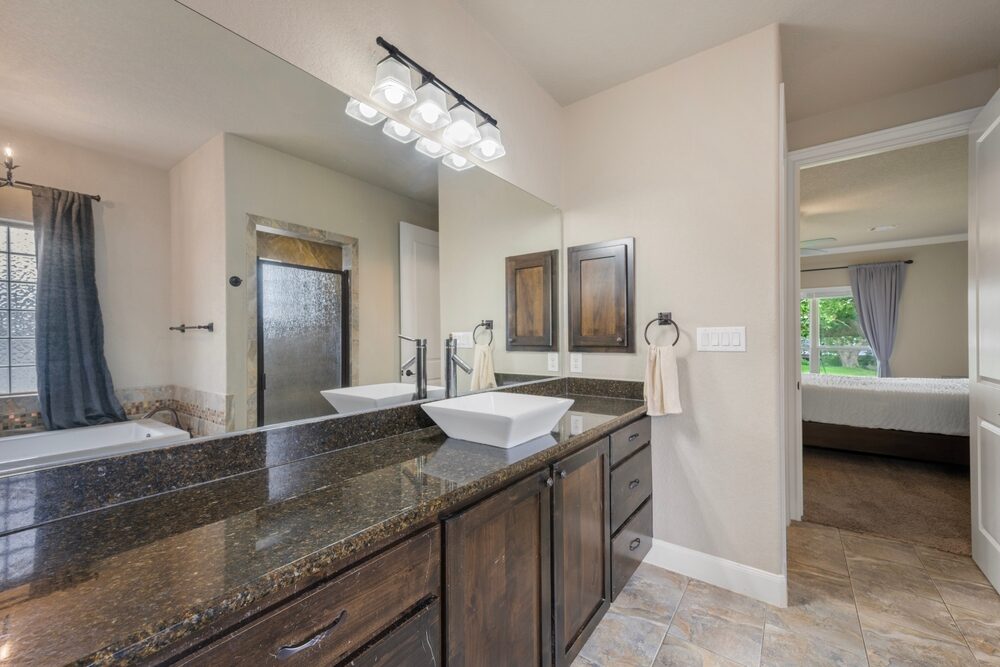
Renovating a bathroom can be one of the most rewarding home upgrades, adding both comfort and resale value. However, it’s also one of the most complex, involving plumbing, electrical systems, ventilation, and tight space management. Even minor missteps can lead to costly consequences in the long run.
Whether you’re redesigning a master ensuite or upgrading a guest washroom, understanding the common bathroom remodel mistakes can help you plan with confidence and avoid setbacks. This guide explores the top five pitfalls homeowners encounter and offers expert tips to ensure your remodel goes smoothly.
Explore professional renovation services to see how a skilled team can help avoid these common issues from day one.
1. Poor Space Planning in Small Bathrooms
One of the most overlooked mistakes is failing to plan effectively, especially in small or oddly shaped bathrooms. The excitement of new fixtures and finishes can often distract from practical issues like clearance, door swings, and traffic flow.
Common layout errors include:
- Placing a vanity where it blocks the entryway or shower door
- Skimping on storage in favor of aesthetics
- Choosing oversized fixtures in a small space
When planning for a small bathroom, functionality must lead the design process. Ask yourself how many people will use the space, whether you’ll need extra towel storage, and if accessibility is a concern. Consider built-in shelving, wall-mounted vanities, and sliding doors to conserve space.
Good planning begins with precise measurements and scale drawings. Using 3D modeling software or working with a professional designer can help visualize how the elements will interact before making costly purchases.
2. Inadequate Ventilation
Bathrooms are exposed to constant humidity, making proper ventilation critical, not just for comfort but for long-term durability. A common mistake is installing an exhaust fan that’s too small or positioning it incorrectly.
Ventilation problems can lead to:
- Mold and mildew growth
- Peeling paint or warped cabinetry
- Musty odors
- Shortened lifespan of fixtures and finishes
To avoid this, always select an exhaust fan that matches the size of your bathroom in cubic feet per minute (CFM). Fans should ideally vent outside, not just into an attic or crawl space, to effectively remove moisture. If your remodel involves changes to walls or ceilings, take the opportunity to upgrade or reposition your fan for maximum impact.
For projects involving extensive upgrades, work with a team that understands the importance of mechanical systems and compliance with building codes. Get help avoiding key bathroom remodel mistakes with professionals who manage ventilation as part of a complete renovation plan.
3. Tile Installation Mistakes
Tile is one of the most impactful materials in a bathroom, but also one of the easiest to get wrong. From mismatched grout lines to incorrect slope angles in the shower, even skilled DIYers can fall short when handling tilework.
Common tile mistakes include:
- Skipping waterproofing before tiling
- Not allowing expansion joints
- Selecting slippery tile for wet areas
- Poor alignment or inconsistent spacing
Using the wrong materials can also be problematic. Porous tiles in wet zones can absorb moisture, leading to cracks or mold over time. Always choose tiles rated for bathroom use and apply waterproofing membranes behind shower and floor areas before tiling begins.
Additionally, consider the aesthetic balance between wall and floor tiles. Mixing sizes and patterns can add interest, but too many variations can overwhelm a small space. Aim for consistency and timelessness over trendy choices that may date quickly.
Working with a qualified remodeler ensures your tile is not only visually appealing but also functionally sound for decades.
4. Skipping Waterproofing Measures
Skipping or underestimating the importance of waterproofing is one of the costliest mistakes in any bathroom remodel. Water damage can remain hidden for months or even years, eventually leading to rot, structural decay, and expensive repairs.
Key areas that require waterproofing include:
- Shower walls and floors
- Bathtub surrounds
- Floors near sinks and toilets
Proper waterproofing begins beneath the surface with membranes, sealants, and correct substrate materials. A common error is relying on tile and grout alone to keep water out; they are not waterproof by themselves. Instead, a multilayer approach is needed to protect framing and flooring systems from persistent moisture.
It’s essential to work with remodelers who follow industry best practices and comply with local codes. A poorly waterproofed bathroom can fail inspection, or worse, deteriorate behind the walls unnoticed.
For homeowners who want the job done right the first time, it’s important to work with contractors who understand the full scope of bathroom renovations, including hidden technical requirements like moisture control and drainage planning. Learn more about their team’s expertise before starting your remodel.
5. Poor Fixture and Accessibility Planning
Last but not least, many remodels go off track due to poor fixture selection and a lack of foresight for future needs. Choosing fixtures based solely on appearance without considering scale, installation compatibility, or usability often leads to impractical designs.
Issues include:
- Incompatible sink and vanity pairings
- Toilets that don’t meet space clearance standards
- Showers without adequate grip or access
Additionally, more homeowners are incorporating ADA considerations into their remodels, not only for current family members but also for aging in place. Features like curb-free showers, grab bars, lever-style faucets, and wider doorways can greatly improve usability without compromising design.
Even if you don’t need full ADA compliance now, building with future proofing in mind adds long-term value and flexibility. Planning for accessibility is particularly important in multigenerational households or homes being prepared for resale.
A professional designer or contractor will help you select fixtures that not only meet your style but also align with the space, plumbing lines, and future-proofing goals.
Final Thoughts
A successful bathroom remodel blends beautiful design with practical execution. By avoiding these five common bathroom remodel mistakes, you can prevent unnecessary stress, rework, and expenses. Good planning, quality materials, proper ventilation, and professional waterproofing are not optional extras; they’re foundational elements of a remodel that lasts.
Whether you’re upgrading for comfort, resale, or accessibility, the right guidance makes all the difference. For experienced craftsmanship and tailored solutions, connect with Silvestri Construction and discover how their team can transform your bathroom with confidence and care.